“Sustainable” is a word that appears on many menus and means very little on most of them. For a chef in Cyprus it comes down to two practical questions, asked every week: what is in season, and how far did it travel? Answer them honestly and most of the rest follows. The food tastes better, it usually costs less, and the menu has a real reason to change.
I saw how far this idea can go on my placement at NINEU in San Sebastián. What amazed me there was how much a kitchen can build on fresh local produce: Basque cooking is rooted in tradition, but it uses the most modern techniques. Cyprus has the produce for the same approach. The question is how a restaurant here sources it and builds a menu around it.
Season first, then distance
Sustainable gastronomy is not a certificate. On a plate, it means three things:
- ingredients cooked at their natural peak, when they need the least help;
- ingredients from as close to the kitchen as is practical;
- a menu written so that everything the kitchen buys gets used.
Season comes first because it makes the bigger difference. A Cypriot tomato in July and an imported tomato in January are not the same ingredient. Energy, water and packaging matter too, but the biggest decision a chef makes about sustainability is what goes on the menu.
Local is a direction, not a rule that removes everything else. Salmon does not come from the Mediterranean, and it appears on several of my plates. The aim is balance: the backbone of the menu from near, and ingredients from further away where they add something the island does not have.
A season-by-season calendar of Cypriot produce is in cooking with Cypriot ingredients, season by season. Read a menu against it and the problems show at once: a dish that needs ripe tomatoes in February, or strawberries in October, is asking the kitchen to buy something grown out of season or shipped from far away.
Sourcing close to the kitchen
Cyprus is small enough that a chef can know where most of the menu comes from. These are the places to look first:
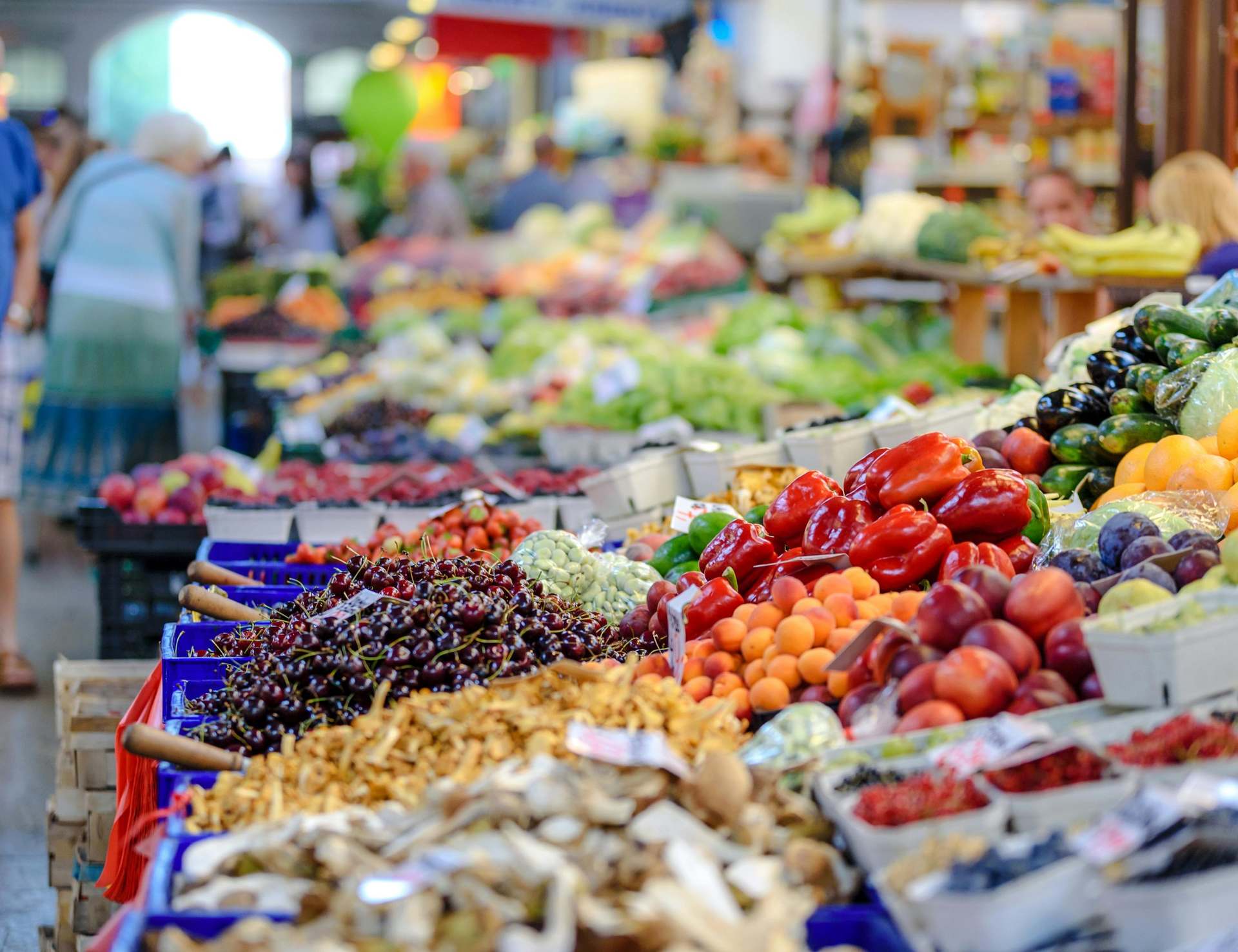
- The harbours. Zygi, west of Larnaca, Ayia Napa on the east coast and Latchi on the Akamas coast all land local fish. Ask what came in today, and let the fish course follow it, instead of writing one fixed species into the menu.
- The red-soil villages. The Kokkinochoria behind the east coast grow the island’s famous red-soil potatoes, along with many other vegetables.
- The Paphos coast. It grows most of the island’s bananas and avocados.
- The hills. Halloumi, village bread and herbs.
- The wine villages. Xynisteri and Maratheftiko, the island’s own white and red grapes, and Commandaria, the sweet wine from the villages north of Limassol.
For a private dinner this is simple, because the menu is written for one evening and can follow the market that week.
How the seasons shape a restaurant menu
A restaurant cannot rewrite its menu every week, and it should not. Guests come back for dishes they know, and the kitchen needs time to cook new ones well. The answer is structure:
- A core and a seasonal section. Keep a core of dishes built on ingredients that are stable all year, and a smaller section that changes with the calendar.
- Recipes with a seasonal slot. Design some dishes so that one component, such as the vegetable, the fruit or the garnish, can change with the season while the method stays the same. Then write a standard recipe for each version.
- Cost the season. Produce in season is usually at its best quality and its lowest price at the same time, so a seasonal change protects the margin as well as the flavour.
- Fewer, closer suppliers. Talk to them before the season starts: ask what they will have, when and in what quantities, and plan the dishes around the answers. A grower or a fisherman who knows your kitchen will also tell you what is good this week. That conversation is worth more than a long price list.
- Train before you launch. A new dish reaches the pass only after the team has cooked it, tasted it and plated it to the standard.
- Plan the trimmings. When a seasonal delivery arrives, every part of it should already have a place on the menu. This is where seasonality meets zero waste, which I cover in a zero-waste kitchen, from the shopping list to the stock pot.
I have written and run menus at different scales. Across the Acropolis Group, I ran several concepts at once. As Executive Chef Consultant at Taiga Larnaca, I built a kitchen operation from the ground up, and supplier relations were part of that work. Most recently, from 2024 to mid 2026, I was Executive Chef at SeaNatra in Larnaca, a fine-dining and lounge kitchen.
Seasonal updates are part of my menu development work, and supplier structure, ordering and stock rotation are part of kitchen management. For a restaurant in Cyprus, the two together are what sustainable cooking looks like day to day: a menu that follows the island, and a kitchen organised to use everything it buys.