Cyprus is a small island, but it grows a great deal. Citrus in winter, wild asparagus and artichokes in spring, aubergines and figs in summer, grapes and olives in autumn, and halloumi, anari, herbs and honey all year round. Even so, many restaurants here build their menus on imported products. A visitor can eat a whole dinner in Cyprus without tasting anything from Cyprus.
I think that is a missed chance. Modern Cypriot cuisine is also where my record in official gastronomy competitions starts: a gold medal in the Cypriot Modern Cuisine category at HO.RE.CA Gastronomia 2019, and another in 2021 for a modern Cypriot menu cooked live. When I write a menu, for a restaurant or for a private dinner, I start with what the island has at that moment and build from there.
Why I start with what the island grows
Flavour. A tomato picked ripe and eaten the next day is a different ingredient from one picked green and shipped for a week. The same is true of citrus, herbs and fish. Good produce in season needs less work from the cook to taste right.
Place. People who eat in Cyprus, whether they live here or are on holiday, want to taste where they are. A menu built on local produce tells them that without a word of explanation.
People. Every order from a local farmer, cheesemaker or fisherman helps keep that work going. Cypriot food culture lives in the people who still make halloumi, dry trahanas in the sun and press olives every autumn.
A Cypriot year in ingredients
Seasons move a little from year to year, and the season in the mountains comes later than on the coast, but the broad pattern is reliable:
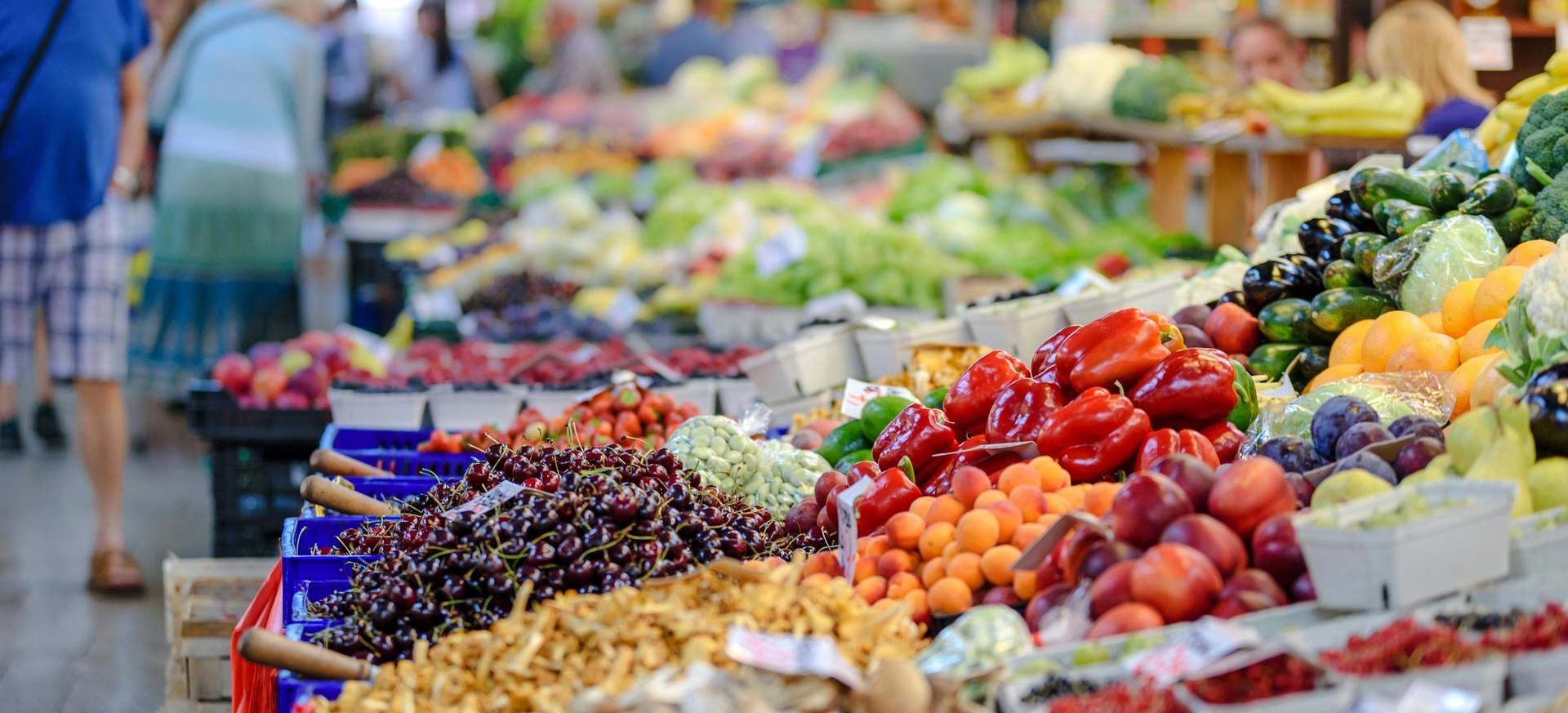
- Winter (December to February): oranges, mandarins and lemons at their best; kolokasi, the Cypriot taro, for slow stews; wild greens after the rains; the end of the olive harvest and the new season’s oil.
- Spring (March to May): wild asparagus from the hillsides, artichokes, broad beans, strawberries, and the new potatoes from the red soil of the Kokkinochoria villages.
- Summer (June to August): tomatoes, cucumbers, aubergines, courgettes and okra; watermelons and melons; cherries from the Troodos villages early in the season; the first figs and grapes towards the end.
- Autumn (September to November): the grape harvest in the wine villages, and the sweets made from grape must, such as soutzoukos; pomegranates, quinces and walnuts; carob, harvested from late summer; and, from October, the olive harvest.
- All year: halloumi and anari, thyme, oregano and mint, honey, and fish from harbours such as Zygi and Latchi, where the day’s catch decides what is good.
A good menu follows this calendar instead of working against it. An aubergine dish belongs in July. A citrus dessert belongs in January.
Where these ingredients appear on my plates
Some of my dishes start directly from a Cypriot ingredient or tradition.
Anari. Anari is the fresh cheese made from the whey left over after halloumi making. It is soft and mild, and Cypriots have long used it in sweets such as bourekia, small pastries filled with sweetened anari. The same cheese is the base of my Anarokrema Millefeuille: anari cream piped between golden pastry layers, with sugar-coated nuts, thin tuile shards and an amber sauce.
Trahanas. Cypriot trahanas is made from cracked wheat cooked in soured milk and dried in the sun during the hot months. In winter it becomes a thick soup, often with cubes of halloumi. In my Modern Cypriot sample menu it goes into the fish appetizer, with red mullet and chilli. You can see it with the other sample menus.
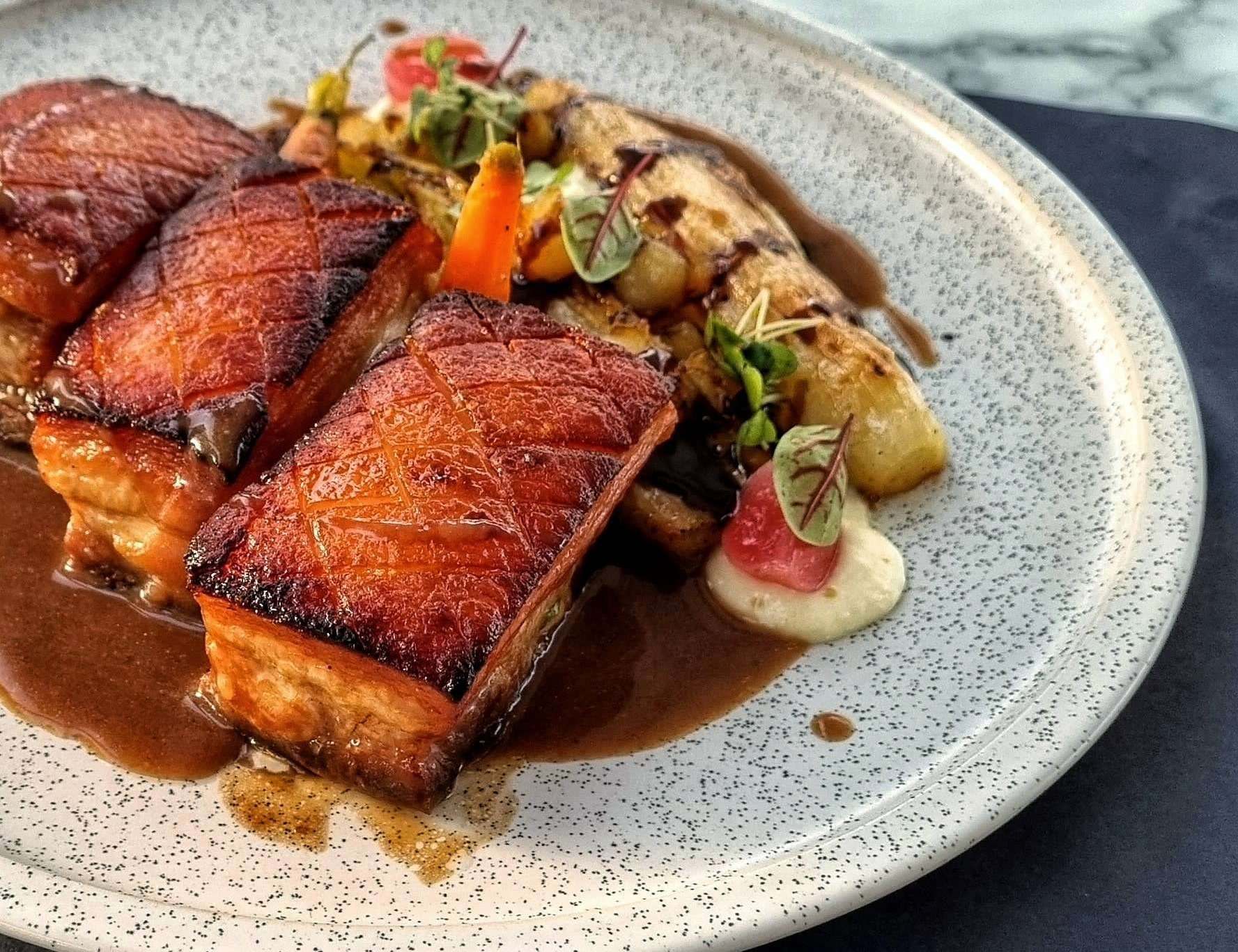
Kranios. Kranios, meagre in English, is a firm white fish well known in Cyprus. My Kranios Fillet is served skin-on, with mussels in a yellow sauce, green oil, shaved fennel and micro herbs.
Honey, thyme and citrus. The dessert on the same Modern Cypriot menu is a honey and thyme panna cotta with citrus textures. Thyme, honey and citrus are everyday Cypriot flavours, and they make a natural ending to a Cypriot menu.
Cooking local in a restaurant
For a restaurant, cooking local is a planning question more than a cooking one. I set out the steps in sustainable cooking in Cyprus: a core menu with a seasonal section, recipes that can change with the calendar, and suppliers you talk to before the season starts.
One more point: tell the guest. Name the cheese, the fish and the village on the menu. Guests remember what they can name.
If you are planning a private dinner, the season will shape the menu too. Tell me the date, and I will build the menu around what the island has that week.