Most advice on wine pairing starts with the wine. I start with the plate. When I write a menu, I already know what is in each dish: how much salt, how much acid, how rich the sauce is, and whether there is chilli or smoke. Those details decide which wine will work, much more than the colour of the meat or fish.
Below are the rules I use, the Cypriot wines that suit modern Mediterranean food, and how I would pair some of my own dishes.
Five rules that solve most pairings
- Match the weight. A light dish needs a light wine, and a rich dish needs a wine with body. A heavy red overpowers delicate raw fish, and a slow-cooked meat makes a delicate white taste thin.
- The wine should be at least as acidic as the food. Lemon, vinegar and pickles make a soft, low-acid wine taste flat. With a sharp dressing, choose a fresh, crisp wine.
- The wine should be at least as sweet as the dessert. If the dessert is sweeter, the wine tastes thin and sour. It is also the easiest rule to forget.
- Be careful with chilli. Alcohol makes chilli feel hotter, and chilli makes tannin taste harsher. With spicy food, choose a fresh white or a dry rosé with moderate alcohol, not a powerful red.
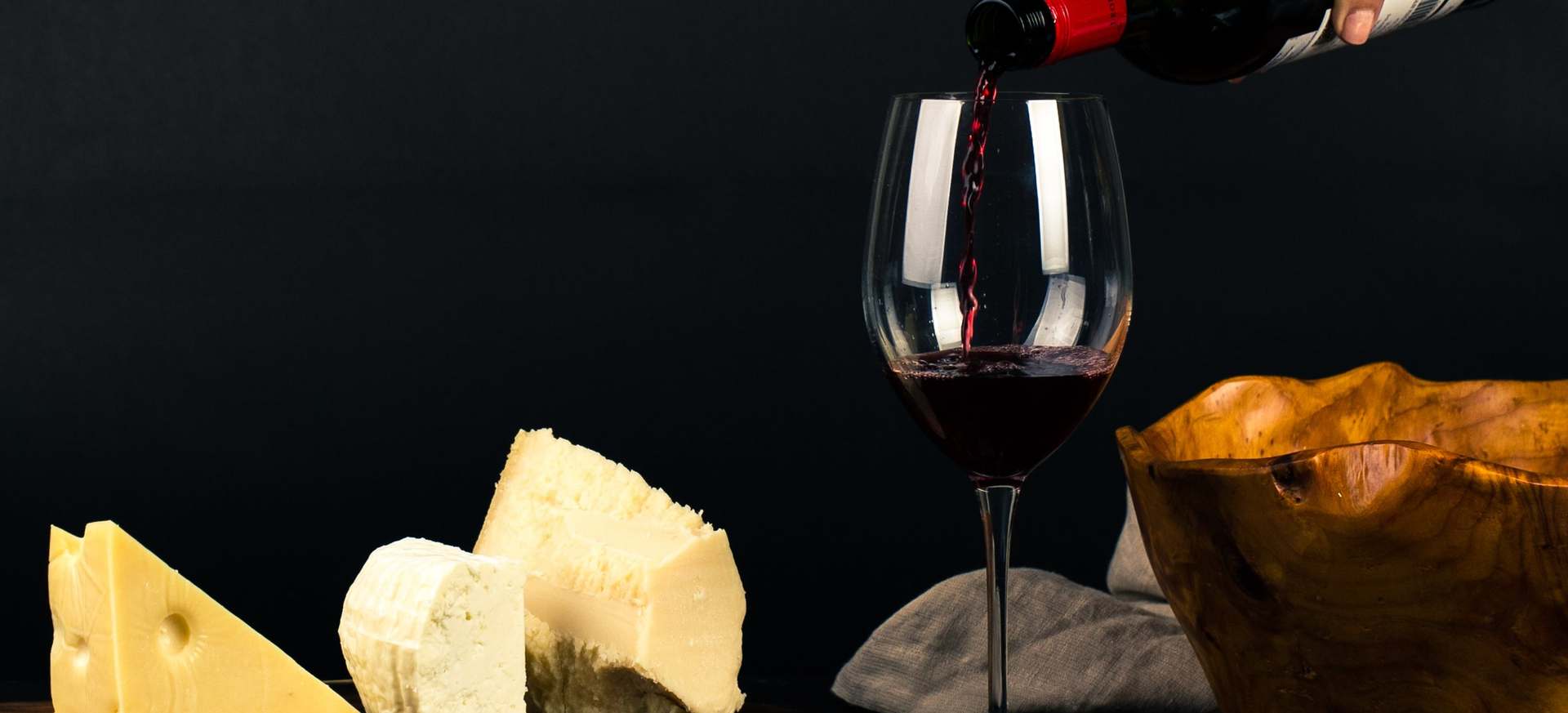
- Use tannin with fat. Tannin is the drying feeling that red wine leaves in the mouth. Fat and protein soften it, which is why a firm red suits duck or lamb. With raw and oily fish, many reds leave a metallic taste, so there I choose white, rosé or sparkling wine.
One more habit: pair the sauce, not only the main ingredient. Salmon with lime and a parsley sauce needs a different wine from salmon in cream.
The Cypriot wines worth knowing
Cyprus has made wine for thousands of years. Most of its vineyards are in the hills on the southern slopes of the Troodos mountains, in the Limassol and Paphos districts. Phylloxera, the insect that destroyed most of Europe’s vineyards in the 19th century, never reached the island, so many Cypriot vines still grow on their own roots.
Three names are worth learning before you open a Cypriot wine list:
- Xynisteri is the island’s main native white grape. It usually makes light, fresh wines with citrus and white fruit, and it keeps more freshness when it grows high in the hills. It is a natural choice for raw fish, salads, grilled seafood and anything with lemon.
- Maratheftiko is the native red grape with the most character: deep colour, dark fruit and firm tannins. It needs food with some fat and depth, such as duck, lamb or slow-cooked meat.
- Commandaria is the island’s famous sweet wine, made from Xynisteri and Mavro, a native red grape. It tastes of dried fruit, honey and caramel.
Commandaria grapes are dried in the sun before pressing, and the wine is aged in oak. It can only come from a defined group of villages in the hills north of Limassol, and its name is a Protected Designation of Origin in the European Union. The name comes from the Commandery, the estate of the medieval Knights Hospitaller at Kolossi, near Limassol. It is often called one of the oldest named wines still made today.
Cyprus also grows international grapes such as Shiraz, Cabernet Sauvignon, Merlot, Chardonnay and Sauvignon Blanc. A dry rosé, local or not, is one of the most useful wines at a Mediterranean table: fresh enough for tomato and feta, with enough fruit for a little chilli.
If your dinner is in Limassol, the wine villages are close, and the menu can be paired with wines from the hills around them.
How I would pair my own dishes
These pairings follow my tasting evening sample menu, plus two dishes from outside it:
- Salmon Tartare, with pickled fennel, ponzu, chive oil and avocado cream: a young Xynisteri. The ponzu and the pickled fennel bring acid, so the wine must be fresh.
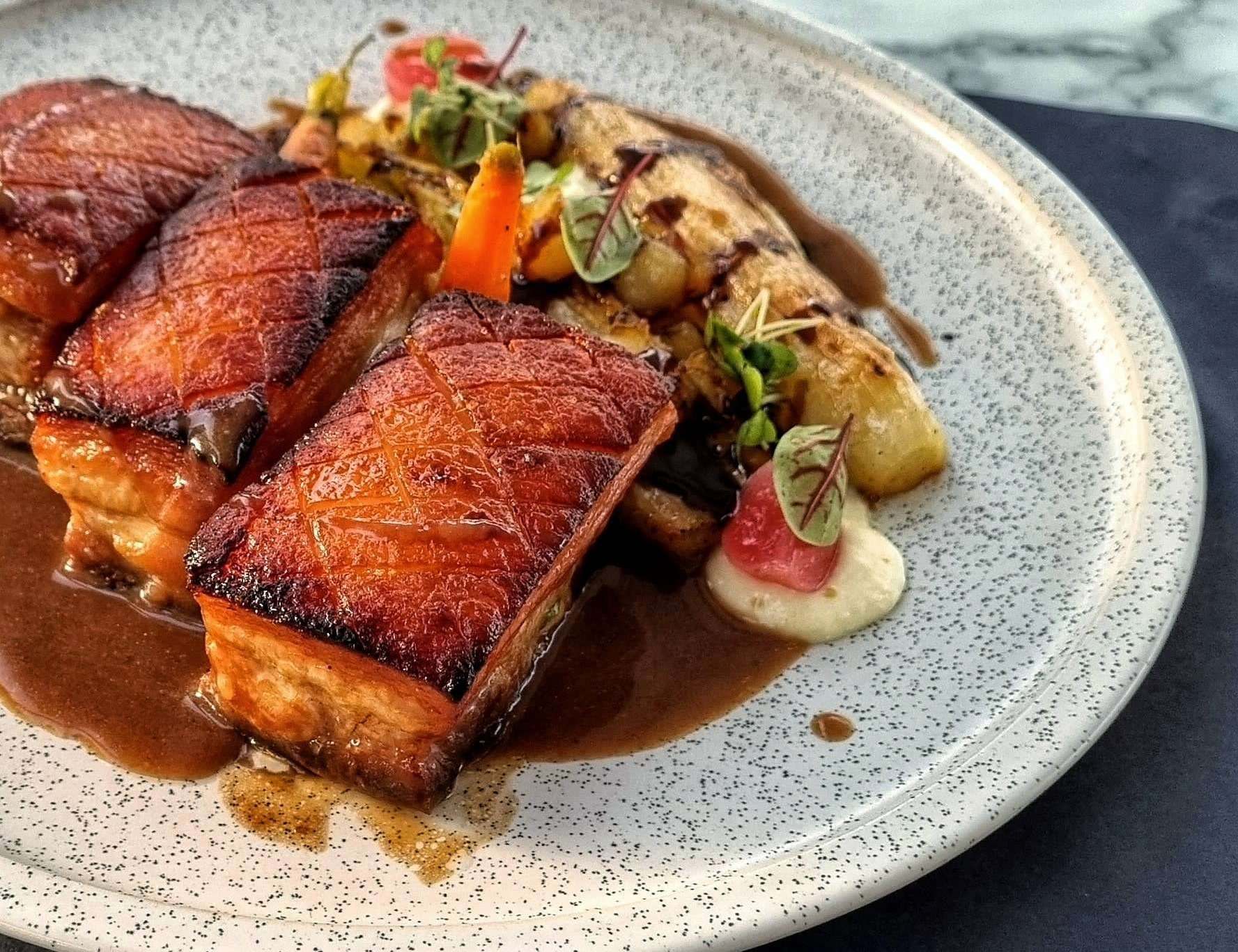
- Pork Belly Dumplings, with smoked pork belly in clam chowder, maple syrup and parmesan chips: a fuller white, for example a Chardonnay aged in oak. The chowder and the maple syrup make the dish rich and slightly sweet, and a light white would disappear next to it.
- Prawn Risotto, with smoked prawns, ouzo, tangerine, bisque, feta and dill oil: the same fuller white, or a rosé with some body.
- Duck Fillet, with sweet potato, fermented red cabbage and a forest fruit sauce infused with aged rum: Maratheftiko. Its dark fruit meets the fruit in the sauce, its tannin meets the duck fat, and the sour cabbage keeps the whole plate fresh.
- Raspberry Basil Panna Cotta: a light, sweet sparkling wine or a late-harvest white, served cold. Commandaria would be too heavy for it.
- Smoked Prawn Saganaki, with a spicy roasted tomato sauce and feta: a dry rosé, for the tomato, the salt and the heat.
- Anarokrema Millefeuille, with anari cream, sugar-coated nuts and an amber sauce: Commandaria. Anari is the fresh Cypriot whey cheese, and the wine’s dried fruit and caramel suit the nuts and the sauce.
Wine at a private dinner
Wine and pairing suggestions are part of my private dining service, on request. If you are choosing the bottles yourself, these points help:
- Fix the menu, then choose the wine. A wine chosen first limits the menu.
- One white and one red cover most dinners. For a tasting menu, add a sparkling wine to start or a sweet wine for dessert.
- Watch the temperature. In a Cypriot summer, room temperature is too warm for red wine. Twenty minutes in the fridge before dinner helps a red, and whites and rosé should be properly cold.
- Serve the sweet wine with the dessert, not after it. The two should be tasted together.
- Put water on the table. It keeps the palate fresh and lets your guests enjoy the wine for longer.
A good pairing does not need a rare bottle. It needs a wine that suits what is on the plate.