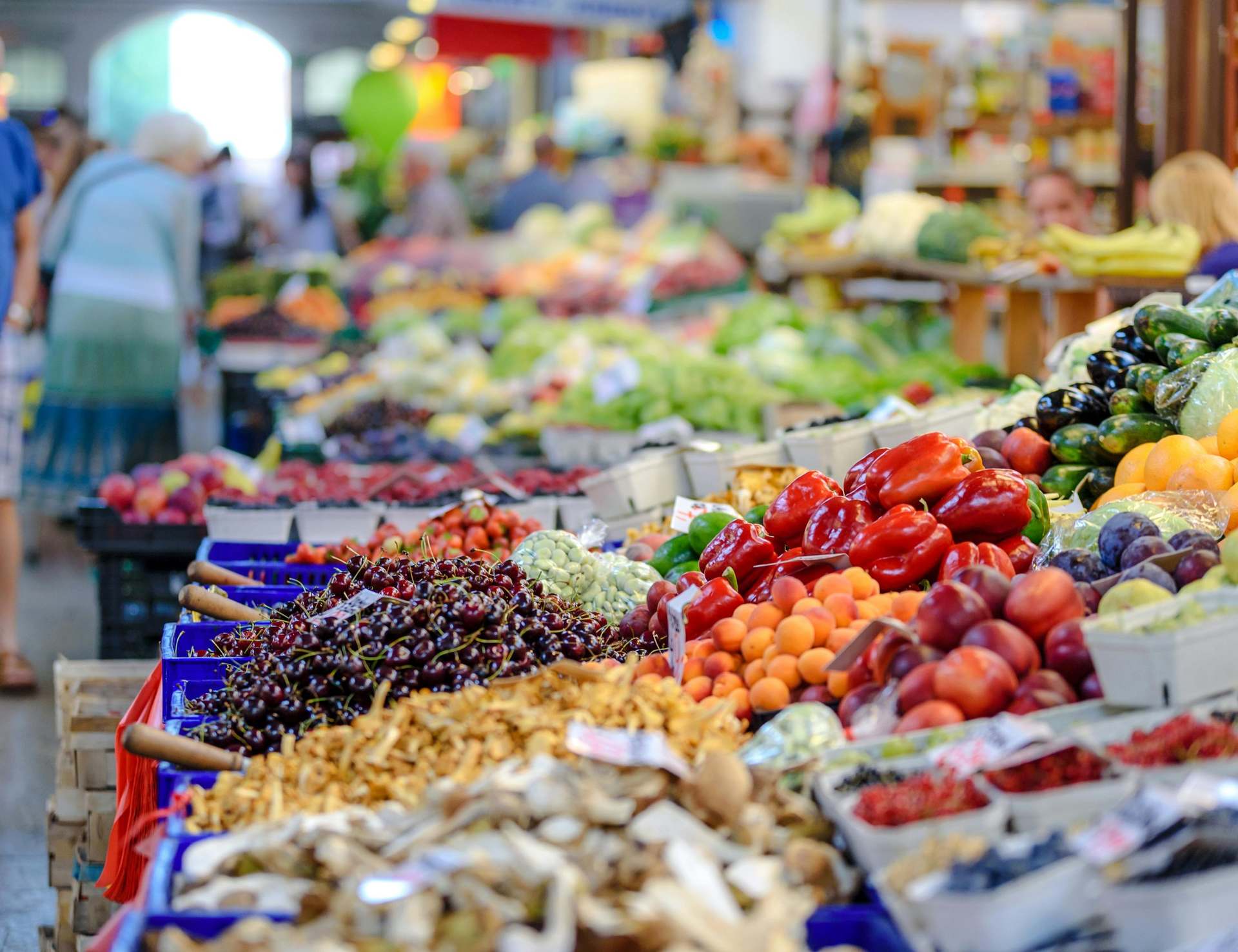
Most food waste in a kitchen is quiet: the fennel tops, the prawn shells, the half bunch of parsley that turns yellow in the fridge, the portion that came back on the plate. None of it looks like much on its own. Over a week it adds up to a lot of food and a lot of money.
You do not reduce waste with good intentions. You reduce it with habits that everyone in the kitchen follows, every day. Here are the ones I rely on, at home and in a restaurant.
Waste is decided before you cook
Much of what ends up in the bin was decided at the shop, not at the stove.
- Shop for a plan. Check what you already have, plan the meals around it, then buy only what is missing.
- Buy whole when you will use the whole. A whole fish gives you fillets and a frame for stock. A whole chicken gives you a roast, a stock and fat for cooking.
- Weigh your portions. Food that comes back on the plate was bought, prepared and cooked for nothing.
- First in, first out. New food goes behind older food, in the fridge and in the cupboard.
- Label and date what you store. An unlabelled container usually ends up in the bin.
In a restaurant the same ideas are called par levels and stock rotation: you know how much of each ingredient a normal service needs, you order to that level, and the oldest produce is used first. It is not the exciting part of cooking, but it saves more food than any recipe.
Bones, shells and stalks go into stock
Stock is the oldest zero-waste technique in any kitchen, and still the most useful.
Chicken carcasses and wing tips make a light stock; roast them first for a darker one. Fish frames and heads make a clean fish stock in 20 to 30 minutes. Take out the gills first, and do not cook it much longer, or it turns bitter and cloudy. Prawn heads and shells are the classic base of a bisque; my Prawn Risotto brings a bisque together with smoked prawns, ouzo and tangerine.
For vegetable stock, keep a bag in the freezer and add trimmings until it is full: onion ends and skins, carrot peel, celery leaves, the green part of leeks, mushroom stalks, parsley stalks. A few things are better left out:
- cabbage, broccoli and cauliflower trimmings, which make stock taste of sulphur;
- potato peel, which makes it cloudy;
- anything mouldy. The stock pot is for trimmings, not for food that has gone off.
Pickles, ferments and cures
A quick pickle is vinegar, water, sugar and salt, brought to the boil and poured over sliced vegetables. It works for fennel stalks, radishes, cucumber and the uneven ends of a beetroot. Pickles of every kind run through my dishes, from the pickled fennel on my Salmon Tartare to the pickled radish with my Smoked Pork Belly.
Fermentation takes longer, and it keeps vegetables for weeks. Shred red cabbage, mix it with about 2% of its weight in salt and press it down until it is covered by its own liquid. Kept under that liquid at cool room temperature, it turns pleasantly sour over days or weeks; then it goes into the fridge. Fermented red cabbage is part of my Duck Fillet, with sweet potato in several textures and a forest fruit sauce infused with aged rum.
Curing with salt and sugar firms fish and lets it keep for a few more days. Add beetroot to the cure, as in my Beetroot Cured Salmon, and the edges of the fish turn deep magenta. Use very fresh fish, and freeze it first if it will be eaten cured or raw: that is standard food-safety practice.
Cyprus understood all of this long before anyone said “zero waste”. Anari is made from the whey left over from making halloumi, and anari cream is the filling of my Anarokrema Millefeuille. Trahanas, cracked wheat cooked in soured milk and then dried, keeps for months. Hiromeri and lountza preserve pork with wine, salt and smoke. Spoon sweets preserve green walnuts, bergamot and citrus peel in syrup.
Herbs, oils and the last of the bunch
Herbs are bought by the bunch and used by the leaf, so much of the bunch is wasted. A herb oil uses all of it at once. Blanch the leaves for a few seconds, cool them in iced water, squeeze them dry, blend them with a neutral oil and strain. Keep the oil in the fridge and use it within a week, or freeze it in small portions.
Herb oils finish many of my plates, such as the dill oil on my Prawn Risotto and the parsley oil with my Pork Belly Dumplings.
A few more habits:
- Parsley and coriander stalks are full of flavour. Chop them finely into a sauce, or use them in stock.
- Zest citrus before you juice it, for a cure, a dressing or a dessert.
- Dry bread becomes breadcrumbs, or a crisp crumb toasted with oil and herbs.
In a restaurant, waste is a cost
In a professional kitchen, every kilo in the bin was bought, delivered, stored and often prepared before it was thrown away. What helps most:
- Standard recipes with exact portion weights, so the same plate leaves the pass every time.
- Yield tests: weigh what you buy and what you can use, then cost each dish on the usable weight.
- A menu where ingredients are shared across dishes, so the trimmings of one dish become part of another.
- A daily check of what is close to its date, and a plan for it before service.
- Training, so the whole team treats trimmings as ingredients.
This is part of the kitchen management work I do with restaurants, where waste reduction sits alongside portion control, supplier management and stock rotation. Sourcing and seasonal menus are the other half; I write about them in sustainable cooking in Cyprus.
Zero waste does not mean perfection. Some things will still go in the bin. The aim is that nothing goes there because nobody had a plan for it.