“Fine dining” is used for almost any expensive restaurant with white tablecloths. I have cooked in fine-dining kitchens in San Sebastián, in Modena and in Larnaca, and the phrase means something more specific than a high price.
Once you know what it is, it is also easier to see which parts of it belong at a dinner in your own home, and which parts are better left in the restaurant.
What fine dining is
Fine dining is a way of running a meal in which the cooking, the service and the pace of the evening are all planned in detail. Most fine-dining restaurants share five things:
- Cooking from raw ingredients. Sauces, stocks, oils, doughs and desserts are made in the kitchen, not bought ready.
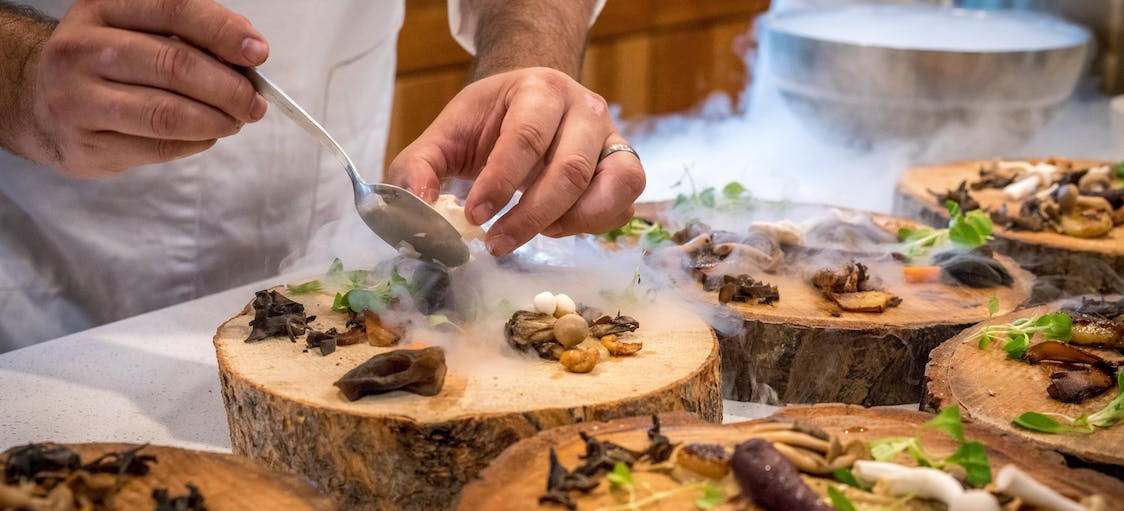
- Composed plates. Each plate has a main element and a few supporting parts, and every part has a reason to be there: acidity, texture, colour or contrast.
- A menu with a shape. Courses move from light to rich and end with dessert, so the meal builds instead of repeating itself. Often this is a tasting menu, where the kitchen chooses the dishes.
- Service with timing. Plates for one table arrive together, at the right temperature, when the guests are ready for them.
- Consistency. The dish you eat tonight is the same dish another guest ate last week.
The course-by-course meal is younger than many people think. For a long time, formal European dinners put many dishes on the table at once. Serving one course after another, known as service à la russe, became the norm during the nineteenth century. Every tasting menu today follows that idea.
What fine dining is not
Fine dining is not a dress code, and it is not small portions for their own sake. It does not need tweezers, foam or a silent room.
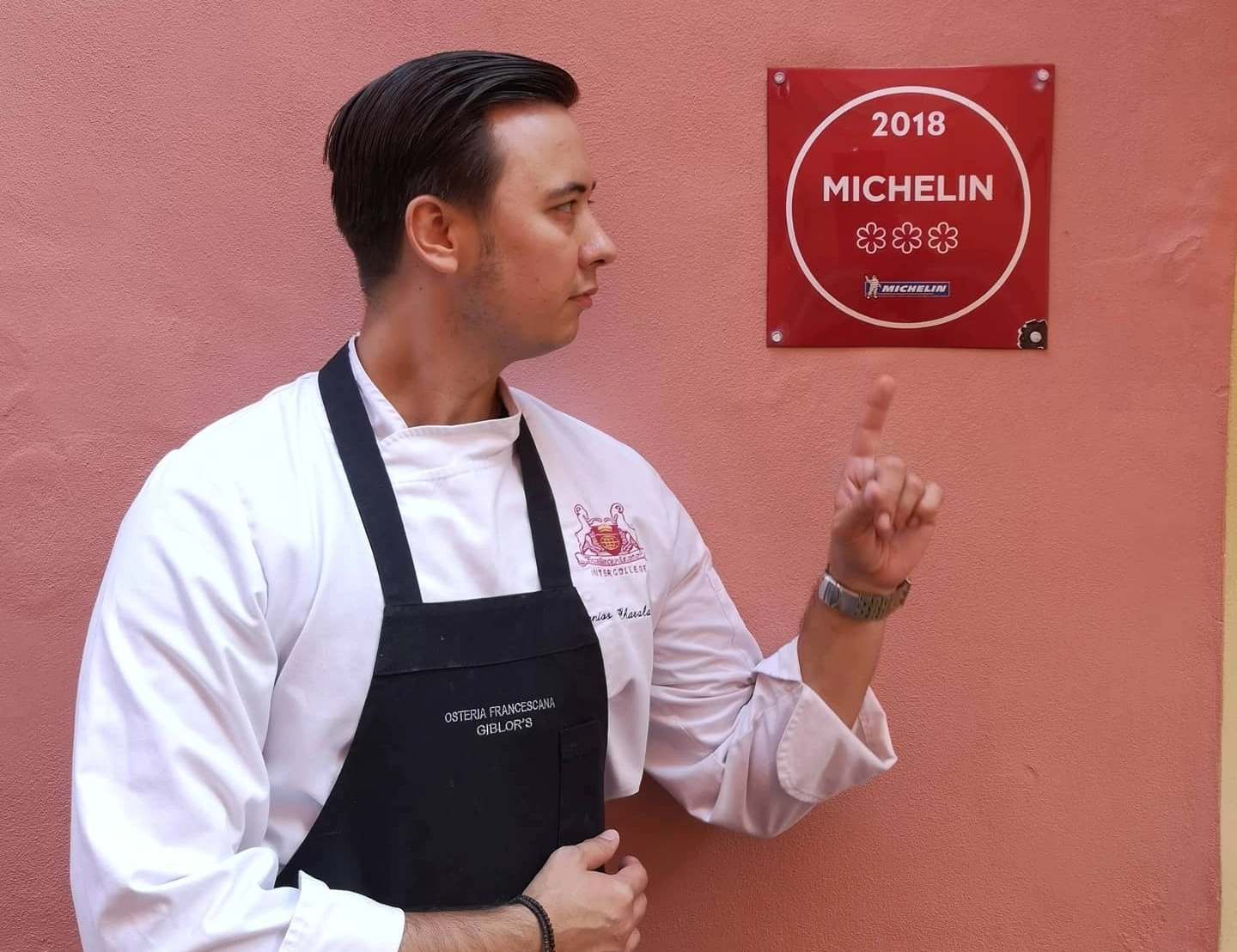
At Osteria Francescana in Modena, the three-Michelin-star kitchen where I trained under Massimo Bottura, the standard came from precision and discipline, not from ceremony. Most of that work happens where the guest never sees it: preparation, timing, tasting and a clean station.
I took the same approach into the kitchens I have led in Cyprus. Most recently, from 2024 to mid 2026, I was Executive Chef at SeaNatra in Larnaca, a fine-dining and lounge kitchen. The whole story is on my about page. A guest should feel the care, not the effort.
What belongs at a private dinner at home
A villa terrace is not a restaurant dining room, and it should not try to be one. But the core of fine dining moves into a home very well. This is what I keep:
- A menu written for the people at the table. Before I write a menu, I ask about the guests, the occasion, any allergies and favourite ingredients. Dietary needs are planned into the menu from the start, not solved on the night.
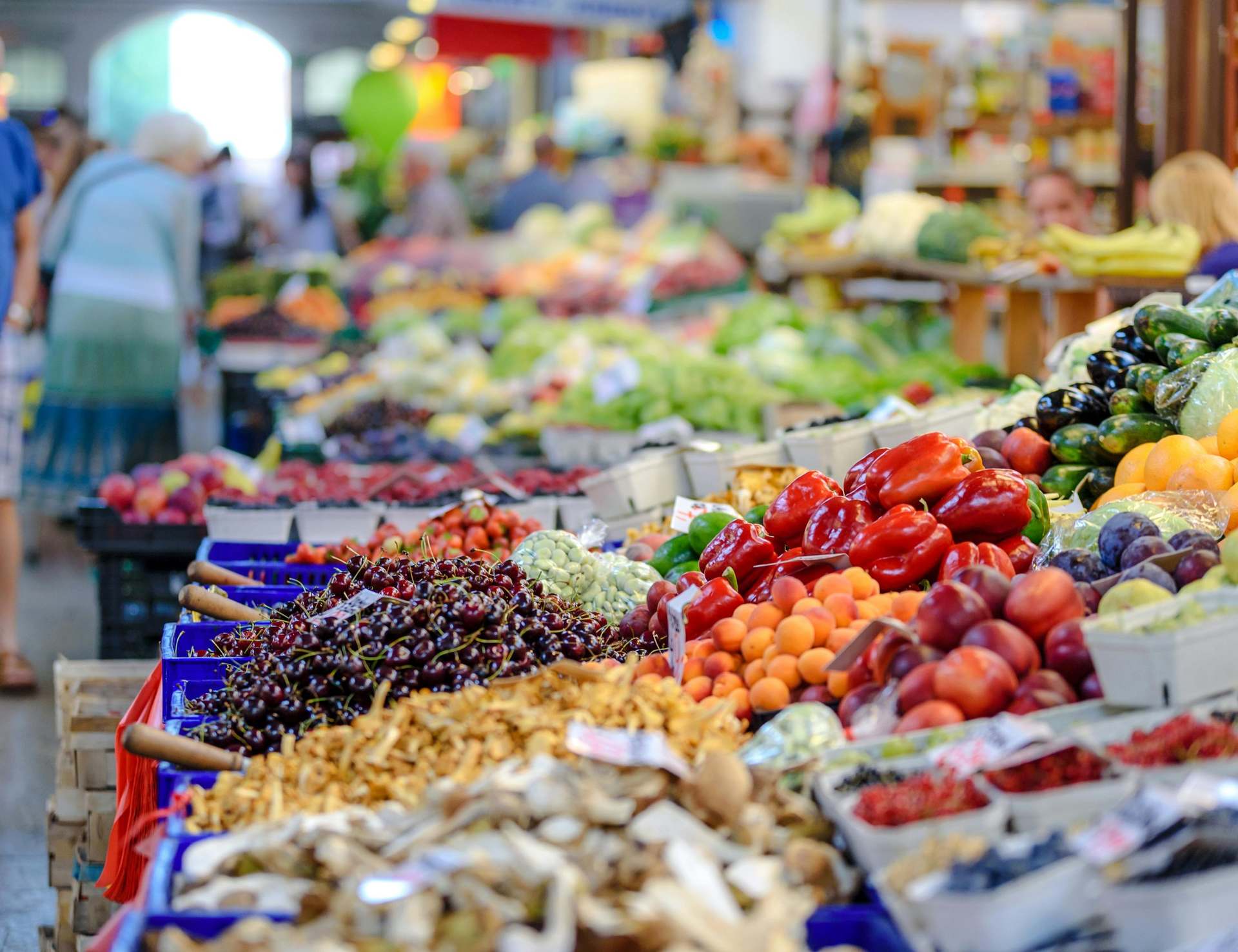
- Seasonal ingredients. The menu follows what is good that week: the day’s fish, citrus in winter, tomatoes and aubergines in summer. A restaurant menu is often fixed for months. A dinner at home does not need to be.
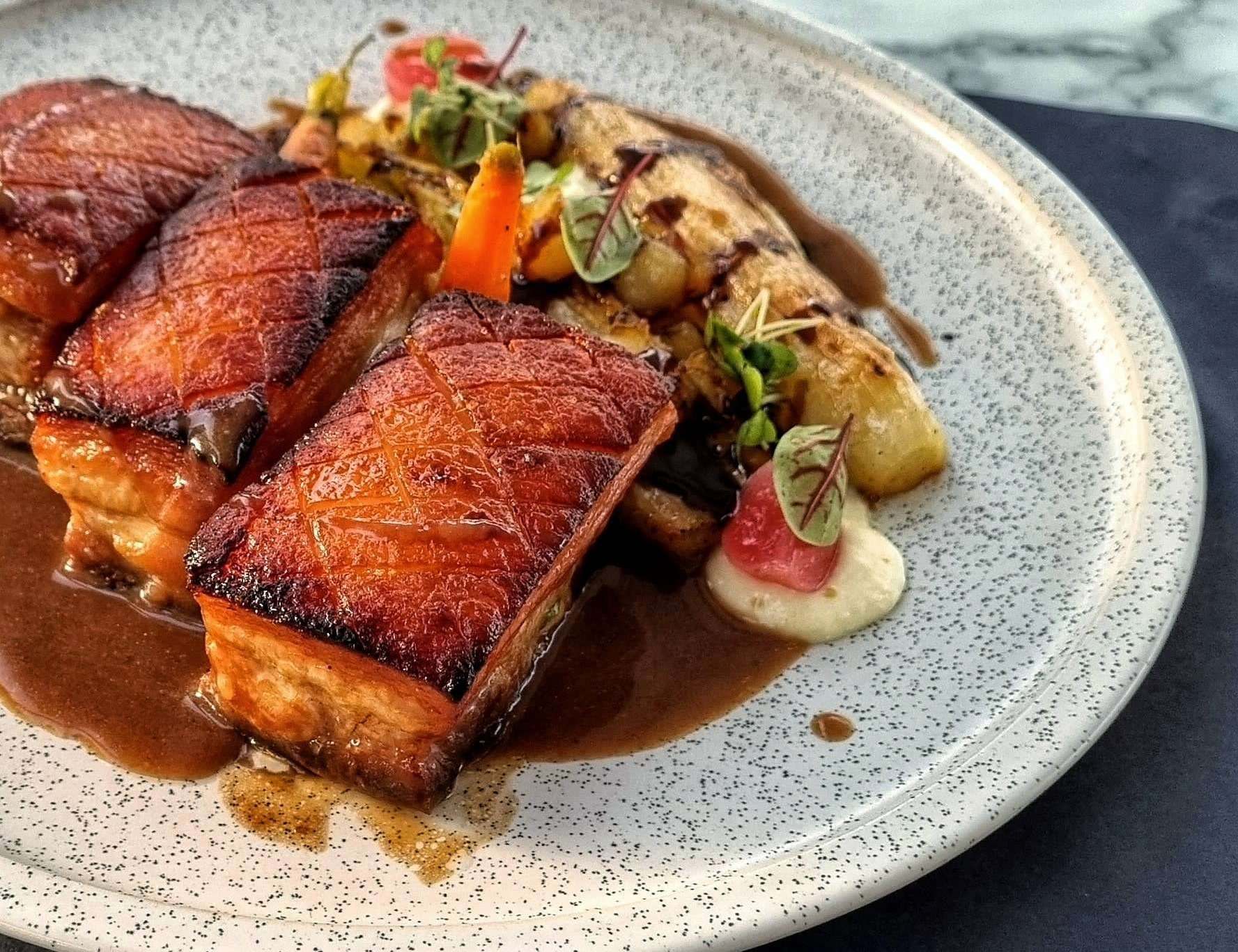
- Composed plates. My Smoked Pork Belly is a good example: smoked pork belly with braised chicory, parsnip cream, pickled radish, caramelised apples and a vermouth jus. A plate like this suits a dinner at home because some parts, such as the pickled radish, can be made ahead, and the pork is finished at the last moment.
- Timing that follows the table. At home, people talk longer, step out onto the terrace and stand up for a toast. The next course goes out when the table is ready, not when the clock says so.
- A clean kitchen at the end. I take care of the menu, the shopping, the cooking and the plating, and I leave the kitchen clean at the end of the evening.
What to leave in the restaurant
Some parts of fine dining belong in a restaurant only, and a dinner at home is better without them.
- Formality. Nobody needs to whisper or sit up straight. A dinner at home should still feel like your home.
- Equipment the kitchen does not have. I plan every dish around an ordinary kitchen: a hob, an oven, a fridge, a freezer and a clean place to work. For serving I use your own plates, glasses and cutlery. Everything else for the cooking I bring with me.
- Too many courses. A long restaurant tasting menu can be tiring at home. The tasting evening on my sample menus has five plated courses, which makes a full evening without rushing anyone.
Plated or shared
Fine dining does not have to be plated. For a private dinner you can choose a tasting menu or a relaxed shared-style dinner, and the standard of cooking is the same in both. Only the way the food reaches the table changes.
A plated tasting evening suits a smaller table and an occasion where the dinner itself is the event: a birthday, an anniversary or a proposal. A shared table suits a villa group or a family gathering, where the evening is about the people as much as the plates. You can compare both on the sample menus page.
If you are planning a dinner, tell me the date, the place, the number of guests and the occasion. Everything about how it works is on the private dining page.